
From Local to Hyperlocal: The New Search Frontier
Why Hyperlocal Became Such a Differentiator in Franchise & Multi-Location SEO

Search is shifting from generic relevance to neighborhood relevance.
In 2026, proximity signals, local proof, and community-specific content will matter more than broad templates or broad backlinks.
Users want to see the world closest to them, not a national version of a page.
This is why hyperlocal became such a differentiator in the restaurant category.
When brands like Red Robin tested location-level copy that referenced real nearby landmarks and neighborhood cues, those pages earned stronger traction than chains using the same copy everywhere.
We have seen the same pattern across multiple industries.
For IHOP and Applebee’s, takeout and delivery intent pages performed because they connected to the behavior in each neighborhood.
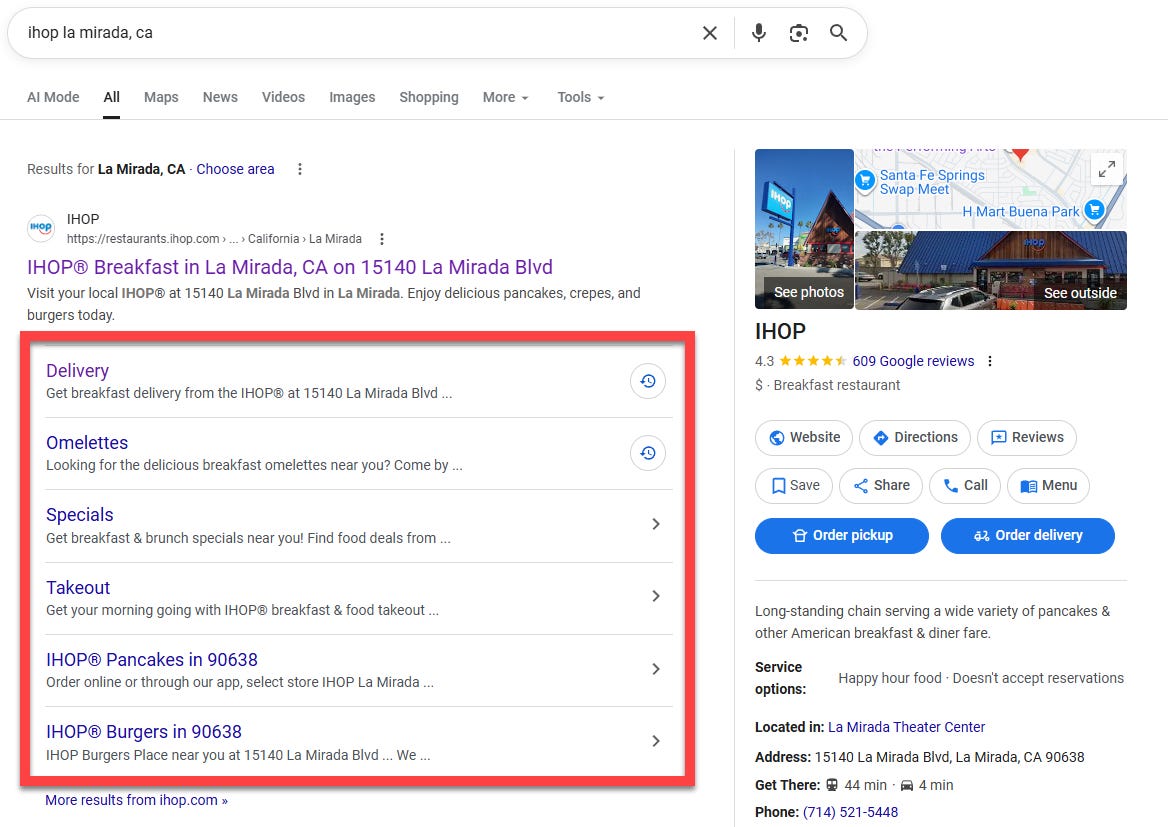
That same hyperlocal alignment is why those pages now appear as cited sources in LLMs like ChatGPT and Perplexity. The content reflected real demand at a real location.
The same truth showed up in our work with Public Storage.
Climate-controlled needs in Phoenix do not resemble what customers expect in Chicago.
Short-term storage demand for local moves does not behave the same way as student storage near a campus.
Generic city pages could not capture these differences. Hyperlocal pages could.
Hyperlocal is not a tactic. It is a competitive moat that most large brands are still not operationally built to support.
The question shifts from “how do we publish faster?” to “how do we publish what is true here?”
Real local images.
Real location story.
Real signals tied to real communities.
That is the next real SEO advantage.
If you want to explore how hyperlocal SEO applies to your brand, book a free private AMA session with me, and we can map it together.